

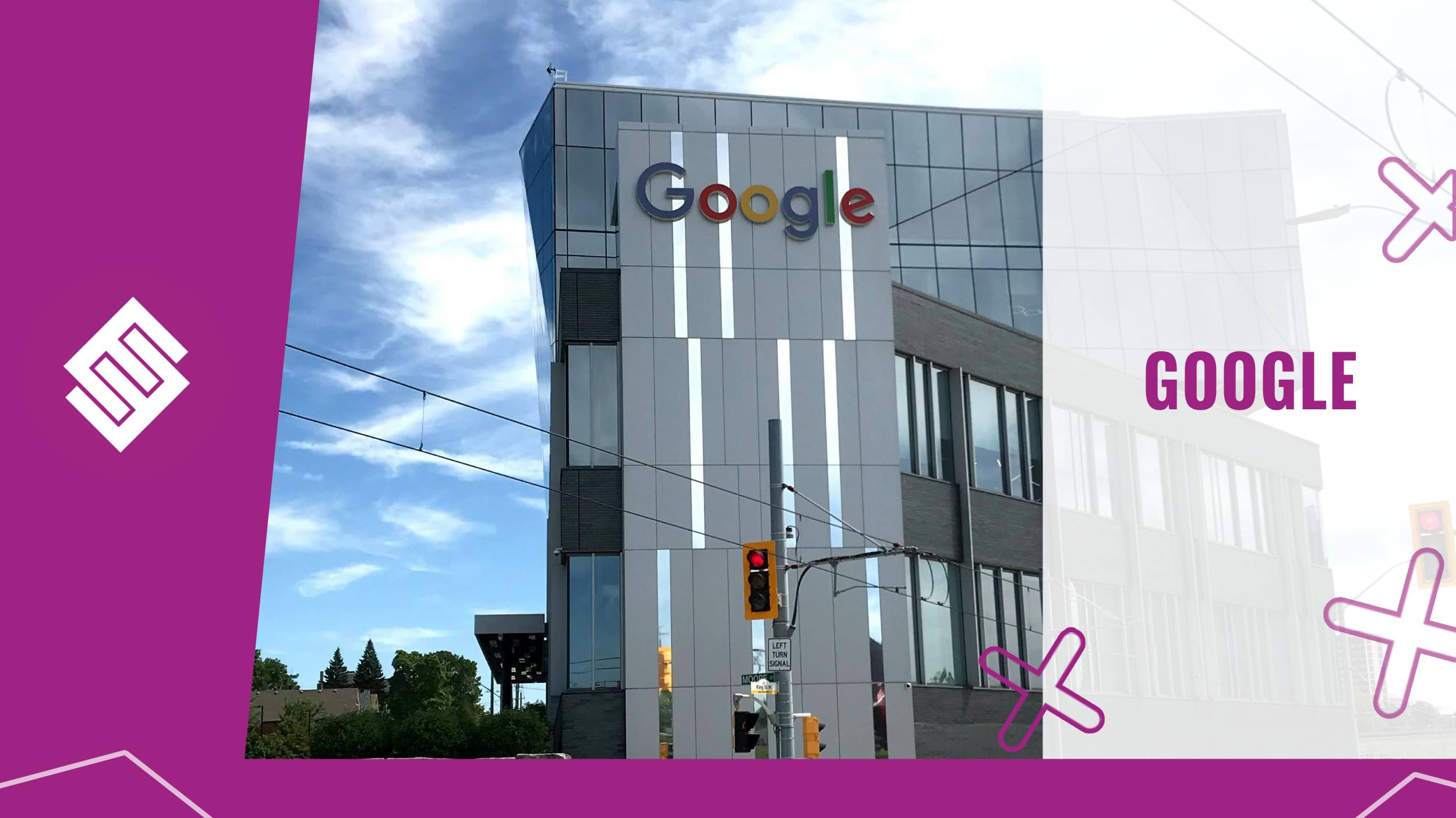
Google’s secret system for spotting bots on its search engine has been revealed, offering a rare look at how the company protects its results from massive scraping operations.
The details come from a recent lawsuit filed by Google against SerpAPI, a Texas based company accused of collecting Google Search data on an enormous scale.
Google says SerpAPI used automated tools to scrape “hundreds of millions” of search results every day, even though Google has built technology specifically to stop this kind of activity. Instead of arguing that SerpAPI broke its terms of service, Google is using a part of copyright law called the DMCA, which makes it illegal to get around technical protection systems. This suggests Google wants to set a strong legal precedent that could affect many other companies that rely on scraping.
The lawsuit also highlights an unexpected twist. SerpAPI has been used by OpenAI to help power real time answers in ChatGPT, even after Google refused to give OpenAI direct access to its search index in 2024. By targeting SerpAPI, Google may be indirectly cutting off a data source used by one of its biggest AI (artificial intelligence) rivals.
Google’s anti-bot system for Search is called SearchGuard. It works silently in the background and studies how people behave online to tell humans and bots apart. It looks at factors like mouse movement, typing rhythm, scrolling patterns and even tiny timing differences in how people interact with a page.
The system is extremely hard to bypass because Google constantly updates the code and changes cryptographic keys. Even if someone manages to reverse engineer it, their method may stop working within minutes. This is one reason many SEO (search engine optimisation) tools and scrapers broke in early 2025 when SearchGuard was updated.
The outcome of this case could reshape how companies collect search data. If Google wins, there is a chance that other platforms may feel encouraged to build similar systems and use the law to defend them. For marketers and SEO professionals, it could mean that large scale scraping becomes far more expensive or even legally risky.
When new developments in the SEO industry arise, at Engage Web, we’re on hand to ensure we’re always ahead of the curve for our clients. For SEO you can trust, speak to our team today.

- Google expects AI search reporting to change - September 22, 2026
- How to improve email open rates - September 21, 2026
- Google to test AI content payments - September 17, 2026